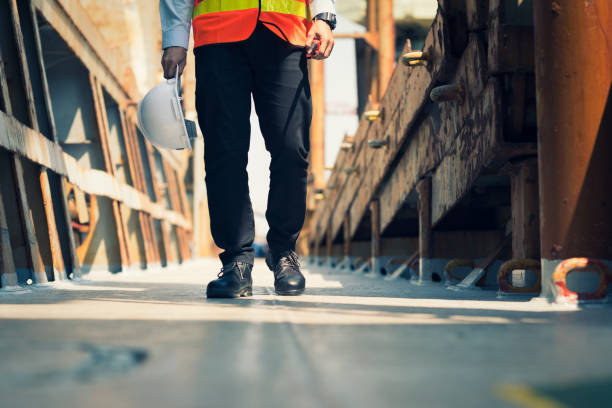
What is Construction Projects Insurance?
Construction projects are intricate operations with several parties, huge investments, and numerous dangers. Construction workers encounter a variety of difficulties that could have substantial financial repercussions, from accidents on the job site to unforeseen circumstances that can delay or disrupt the project. Because of this, any construction project needs to get construction insurance.
Comprehensive construction insurance is necessary for all parties participating in a project, including contractors, developers, property owners, and subcontractors, due to the multiple hazards involved. Construction professionals may ensure complete protection against potential liabilities, financial losses, and project disruptions by understanding the many types of insurance coverage that are available.
Construction Insurance Coverage
We will examine the many insurance coverage options that offer complete protection for building projects in this thorough guide.
Construction Risk Insurance
The goal of builder’s risk insurance, also known as course of construction insurance, is to protect construction projects as they are being constructed. It covers damages caused by hazards such as fire, vandalism, theft, or extreme weather occurrences to the project under construction, including materials, equipment, and structures. Contractors, developers, and property owners benefit from the protection provided by builder’s risk insurance, which guarantees the successful conclusion of the project while guarding against financial harm.
General Liability Protection
A key coverage that all construction industry personnel ought to carry is general liability insurance. It provides defence against claims of bodily harm, property damage, and personal injury made by third parties. Accidents can occur in the construction sector, resulting in property damage or injury to those who are not directly connected to the project. By covering the expense of any necessary legal defense, medical care, and any potential settlements or judgements stemming from such accidents, general liability insurance offers both financial stability and peace of mind.
Insurance for Professional Liability
Construction professionals who offer design, engineering, or other professional services must have professional liability insurance, sometimes called errors and omissions insurance. It defends against accusations of negligence, mistakes, or omissions that may result from the project’s professional tasks. For instance, professional liability insurance can pay for damages, defense costs, and other related costs if a design fault causes structural problems or delays in the construction process.
Insurance for Workers’ Compensation
Construction employees are routinely exposed to a variety of hazards, making workers’ compensation insurance essential. These benefits include medical bills, lost wages, rehabilitation costs, and disability compensation for workers who suffer work-related diseases or injuries. Along with providing coverage for the employees themselves, workers’ compensation insurance shields construction companies from any litigation brought about by workplace mishaps.
Business Auto Insurance
Construction projects frequently use a fleet of vehicles, including trucks, vans, and equipment movers. Commercial auto insurance covers these vehicles, guarding against damage, theft, and liability claims in the event of an accident. Make that the policy covers privately owned, leased, and hired cars used for construction.
Continuity Insurance
By offering coverage over the limits of other basic liability policies, umbrella insurance acts as an additional layer of liability defense. Umbrella insurance gives increased coverage limits for general liability, car liability, and employer’s responsibility in the construction business where projects might have significant values and possible risks. It serves as a safety net, providing extra monetary security in the event of a big claim or lawsuit.
Insurance for Environmental Liability
For building projects including activities that can cause pollution or environmental harm, environmental liability insurance is essential. It offers protection against losses and expenses related to incidents involving pollution, such as the discharge of contaminants into soil, water, or the atmosphere. Environmental liability insurance protects construction industry professionals from possible lawsuits and financial damages caused by environmental contamination.
Insurance for completion delays and time elements
The purpose of delay in completion insurance, sometimes referred to as time element insurance, is to shield construction projects from financial losses brought on by delays that are out of the contractor’s control. It covers extra charges, increased building costs, and monetary losses brought on by the delay. This insurance aids in fulfilling contractual obligations and offers cash support to lessen the effects of delays.
Insurance for tools and equipment
The use of specialized tools, gear, and equipment is crucial to construction undertakings. Insurance for tools and equipment covers theft, loss, damage, and other occurrences. This coverage guarantees that construction workers may swiftly replace or repair their tools and equipment, minimizing project disruptions and protecting their investment, whether they are excavators, cranes, power tools, or surveying equipment.
Insurance for Subcontractors’ Default
Subcontractors who specialize in particular jobs or trades are frequently used in construction projects. When a subcontractor doesn’t finish the job or goes out of business, subcontractor default insurance (SDI) covers the project owner or general contractor. The costs of changing the subcontractor, finishing the unfinished work, and any ensuing financial losses are all covered by SDI. It adds a layer of defense against risks associated with using subcontractors.
Conclusion
Each coverage has a particular function in protecting construction projects. From builder’s risk and general liability insurance to professional liability and workers’ compensation insurance, we’ve got you covered. Additional layers of security are offered by additional coverages delay in completion insurance, and insurance for equipment and tools. Such as commercial auto insurance, umbrella insurance, environmental liability insurance,
Project stakeholders can tailor their insurance coverage to meet their unique needs. They can meet the project specifications by working together with an expert insurance professional. A person who specializes in construction insurance. Because of the proactive approach to risk management, construction workers may concentrate on the successful completion of projects. While minimizing potential monetary and legal difficulties along the way. In the end, thorough construction insurance offers the comfort and financial assurance required for the successful completion of building projects.


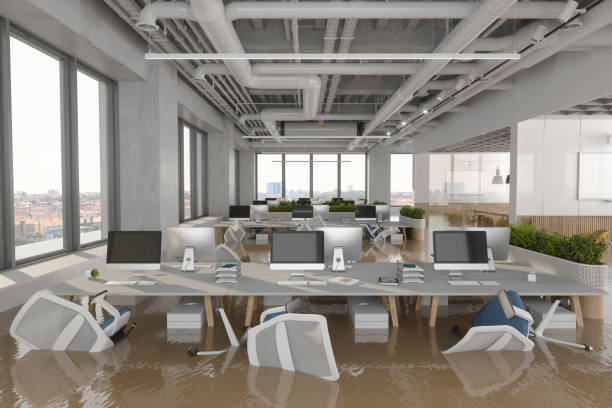
 Insurance Broker Knowledge
Leave a comment